Address
Level 8/25 Restwell Street, Bankstown NSW 2200, Australia
Business Hours
Monday to Friday: 10AM - 6PM
Weekend: CLOSED
USD$195.00 (GST excl.)
Master AI-Driven Manufacturing Excellence for Smarter, Safer, and More Efficient Operations
The AI+ Manufacturing Practitioner certification prepares you to apply AI across production, maintenance, quality, supply chain, and plant operations. You will learn to improve efficiency, predict equipment failures, reduce downtime, strengthen quality control, and support faster operational decisions. The certification covers manufacturing data readiness, vision-based inspection, equipment monitoring, process optimization, AI architecture, implementation planning, responsible AI, security, and ROI measurement. You will also gain practical experience using tools such as ChatGPT, Teachable Machine, Looker Studio, Google Sheets, Miro, and draw.io.
The AI+ Manufacturing Practitioner certification prepares you to apply AI across production, maintenance, quality, supply chain, and plant operations. You will learn to improve efficiency, predict equipment failures, reduce downtime, strengthen quality control, and support faster operational decisions. The certification covers manufacturing data readiness, vision-based inspection, equipment monitoring, process optimization, AI architecture, implementation planning, responsible AI, security, and ROI measurement. You will also gain practical experience using tools such as ChatGPT, Teachable Machine, Looker Studio, Google Sheets, Miro, and draw.io.
Basic understanding of manufacturing operations such as production, maintenance, quality, and supply chain management. Learners should also be familiar with core AI, machine learning, and automation concepts, along with the ability to interpret operational data, dashboards, metrics, and trends. Awareness of digital systems such as MES, SCADA, ERP, sensors, and connected platforms is recommended, as well as basic business analysis skills to evaluate problems, feasibility, risks, value, and expected outcomes.













| Format | Online, self-paced |
|---|---|
| Duration | Instructor-Led: 1 day (live or virtual) |
| Exam | 50 questions, 70% passing, 90 minutes, online proctored exam |
| Included | Instructor-led OR Self-paced course + Official exam + Digital badge |
| Prerequisites | Basic understanding of manufacturing operations such as production, maintenance, quality, and supply chain management. Learners should also be familiar with core AI, machine learning, and automation concepts, along with the ability to interpret operational data, dashboards, metrics, and trends. Awareness of digital systems such as MES, SCADA, ERP, sensors, and connected platforms is recommended, as well as basic business analysis skills to evaluate problems, feasibility, risks, value, and expected outcomes. |
| Delivery | Projects & case studies |
| Outcome | Industry-recognized credential + hands-on experience |
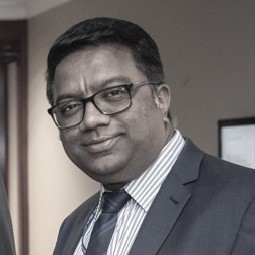
Chandra has a long-standing record of professionalism and integrity in the Vocational and Higher education sectors in Australia spanning over 2 decades. He holds a Master’s Degree in Computer Science and a Bachelor’s degree with Distinction in Information Technology majoring in software engineering, and is also a certified trainer & qualified assessor.
He has served in key roles in various organisations across both the higher education and vocational sectors which include Vice President, Academic Director, Deputy Principal, Director of Studies, Managing Director and Marketing Director. He has also set up and managed his own fully accredited RTO.
Chandra is managing and overseeing the entire operations of The Business School, both onshore and offshore for the VET and ELICOS sectors. Some of these would include marketing, student recruitment, IT, admissions, student support departments as well as coordinating with the Director of Studies and the Academic Manager to ensure competency and quality are maintained across academics, trainers, and teachers.
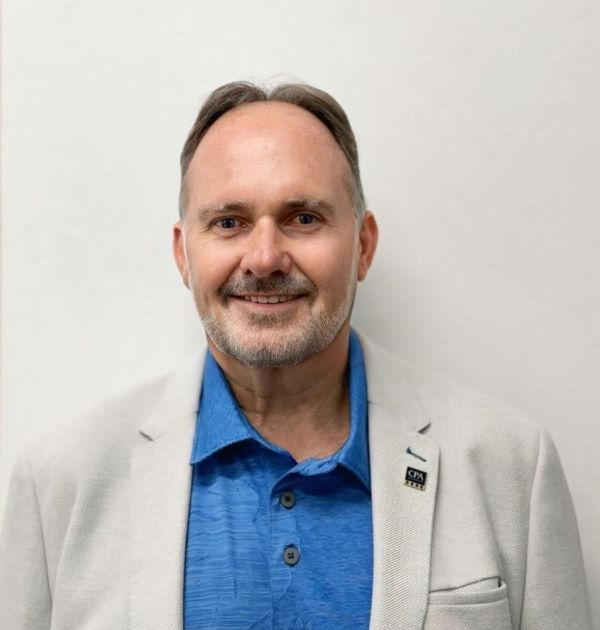
Christopher is a future-focused educator and global business leader committed to reshaping how people learn, upskill and succeed. Driven by innovation, he combines technology, digital learning design and real-world industry insight to build powerful, future-ready education solutions.
As Director General of the World Certification Institute and an experienced Company Director, he leads international initiatives that set global standards, strengthen professional capability, and open new pathways for learners across Asia and beyond. His work bridges education and enterprise — helping organisations transform their workforce and individuals gain the skills and confidence to thrive in a changing world.
With qualifications including BCom, GradDipEd, MBA, FCPA, WCMP and FWCI, I bring deep expertise in business strategy, financial governance and competency-based learning.
Christopher is passionate about using technology to enhance the learning journey, create equitable access to skills, and promote lifelong learning for all.
Our mission is simple: to empower people with the knowledge, tools and opportunities they need to succeed — today and into the future.
For any further details, please fill in the enquiry form below to reach us.

Reviews
There are no reviews yet.