Address
Level 8/25 Restwell Street, Bankstown NSW 2200, Australia
Business Hours
Monday to Friday: 10AM - 6PM
Weekend: CLOSED

Learn how to recognise microaggressions at work and respond with confidence when you see them. This practical, self-paced course gives you simple, safe ways to step in, support colleagues and address harmful behaviour respectfully, helping you build a more inclusive workplace where everyone feels valued.
The course equips employees with the awareness, empathy, and practical tools to address microaggressions and foster a culture of respect. Through six in-depth modules, learners explore the psychology of bias, effective intervention strategies, emotional intelligence, and inclusive communication. By transforming passive observation into meaningful action, this course supports DEI goals and empowers individuals at all levels to create safer, more inclusive workplaces where every voice is valued and protected.

Intended roles
| Duration | 2 Days (12 Hours) |
|---|---|
| Modules | 6 Modules |
| Course type | SoftSkills |
| Category | SoftSkills |
| Intended roles | Conflict Resolution Facilitator |
| Prerequisites | Workplace Communication Skills, Basic Understanding of Diversity, Equity, and Inclusion (DEI) Principles, Willingness to Self-Reflect and Learn |
Chandra has a long-standing record of professionalism and integrity in the Vocational and Higher education sectors in Australia spanning over 2 decades. He holds a Master’s Degree in Computer Science and a Bachelor’s degree with Distinction in Information Technology majoring in software engineering, and is also a certified trainer & qualified assessor.
He has served in key roles in various organisations across both the higher education and vocational sectors which include Vice President, Academic Director, Deputy Principal, Director of Studies, Managing Director and Marketing Director. He has also set up and managed his own fully accredited RTO.
Chandra is managing and overseeing the entire operations of The Business School, both onshore and offshore for the VET and ELICOS sectors. Some of these would include marketing, student recruitment, IT, admissions, student support departments as well as coordinating with the Director of Studies and the Academic Manager to ensure competency and quality are maintained across academics, trainers, and teachers.
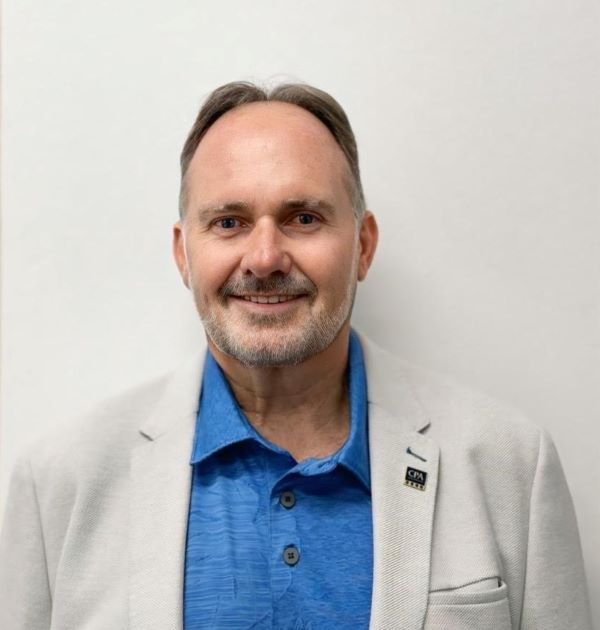
Christopher is a future-focused educator and global business leader committed to reshaping how people learn, upskill and succeed. Driven by innovation, he combines technology, digital learning design and real-world industry insight to build powerful, future-ready education solutions.
As Director General of the World Certification Institute and an experienced Company Director, he leads international initiatives that set global standards, strengthen professional capability, and open new pathways for learners across Asia and beyond. His work bridges education and enterprise — helping organisations transform their workforce and individuals gain the skills and confidence to thrive in a changing world.
With qualifications including BCom, GradDipEd, MBA, FCPA, WCMP and FWCI, I bring deep expertise in business strategy, financial governance and competency-based learning.
Christopher is passionate about using technology to enhance the learning journey, create equitable access to skills, and promote lifelong learning for all.
Our mission is simple: to empower people with the knowledge, tools and opportunities they need to succeed — today and into the future.
For any further details, please fill in the enquiry form below to reach us.
Have a question about this course? Complete the form below and our team will be in touch to assist with your enquiry.
Enquiry received
Your enquiry has been submitted successfully.
Our team will be in touch to assist with your enquiry.
You can now close this window.






Reviews
There are no reviews yet.